Canadian Race Relations Foundation
SMILE Canada is grateful to the Canadian Race Relations Foundation (CRRF) for its continued support in advancing equity at the intersections of race, disability, migration, and faith. In 2024, CRRF provided a $10,000 contribution that supported the launch of this work through a Black History Month forum, followed by a $70,000 grant for our Critical Conversations project for the 2025–2026 fiscal year, which enabled the organization to expand these efforts through a series of community events and forums. Together, these gatherings created meaningful opportunities for refugees, Muslims, Black persons with disabilities, families, service providers, educators, policymakers, and faith leaders to share lived experiences, celebrate culture and identity, engage in cross-sector dialogue, and develop actionable strategies for addressing anti-Black racism, Islamophobia, xenophobia, and ableism. Through CRRF's investment and shared commitment to equity and inclusion, SMILE was able to elevate underrepresented voices, strengthen partnerships, and foster more accessible, culturally-responsive, and inclusive communities.

Critical Conversations: Exploring the Intersection of Anti-Black Racism, Ableism and Islamophobia
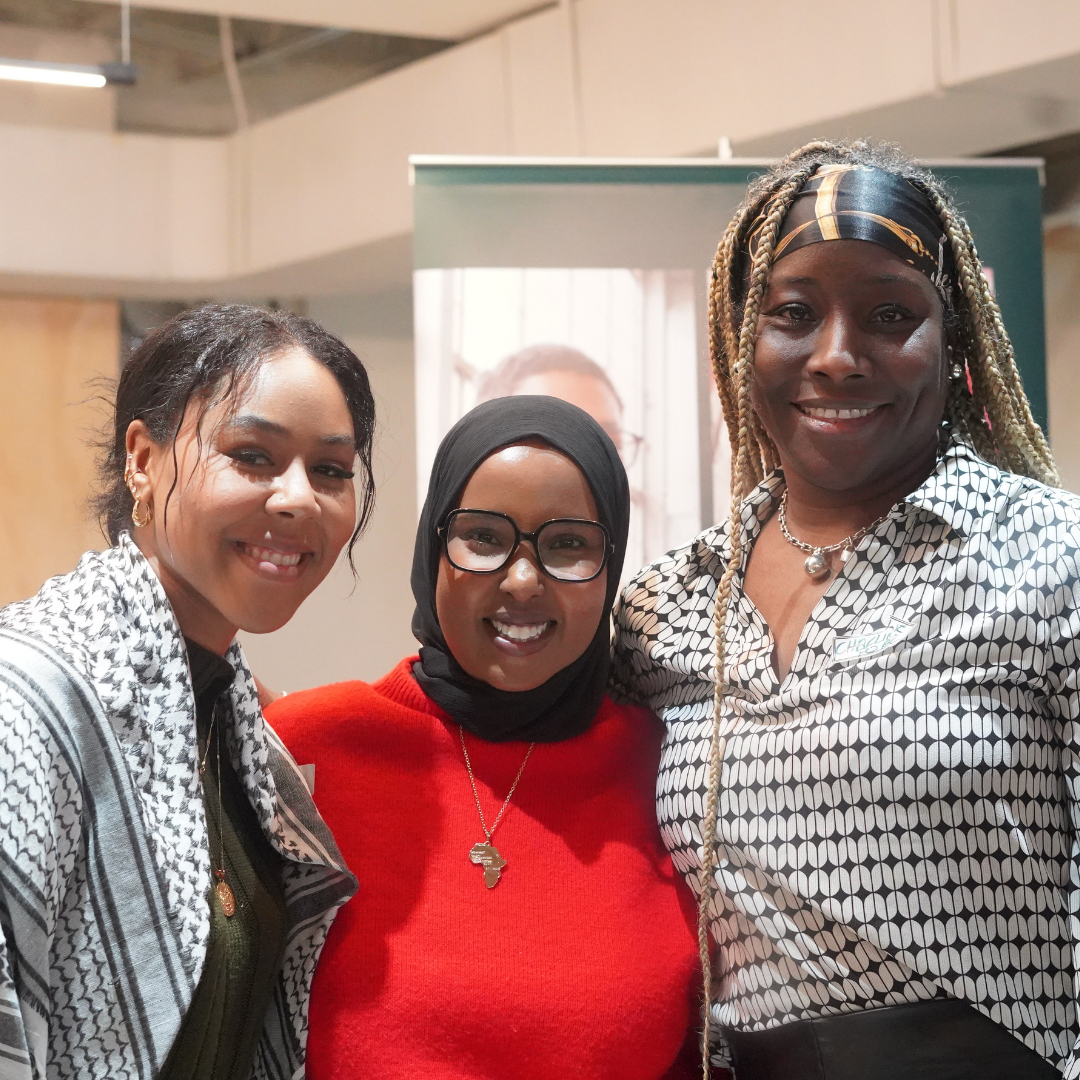
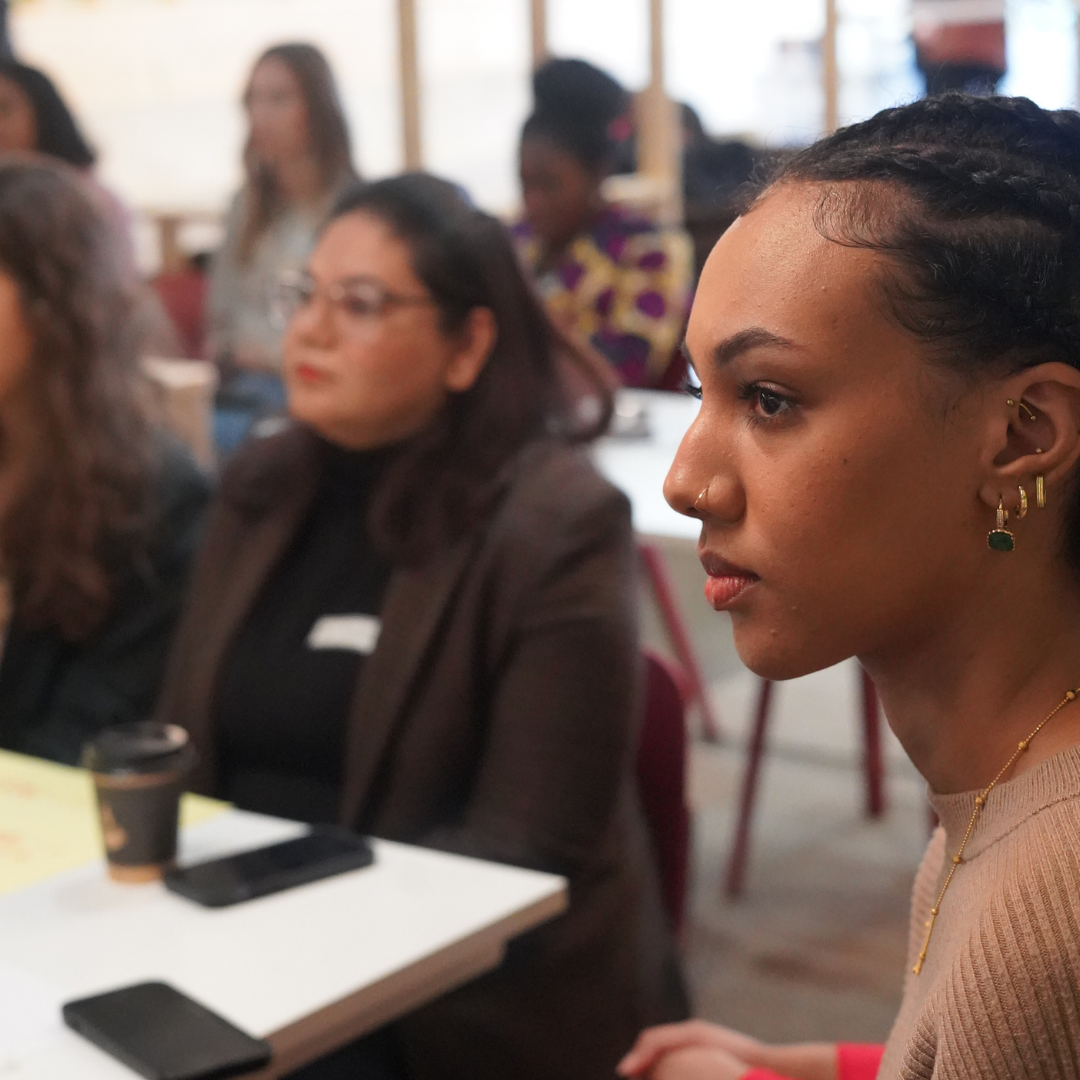
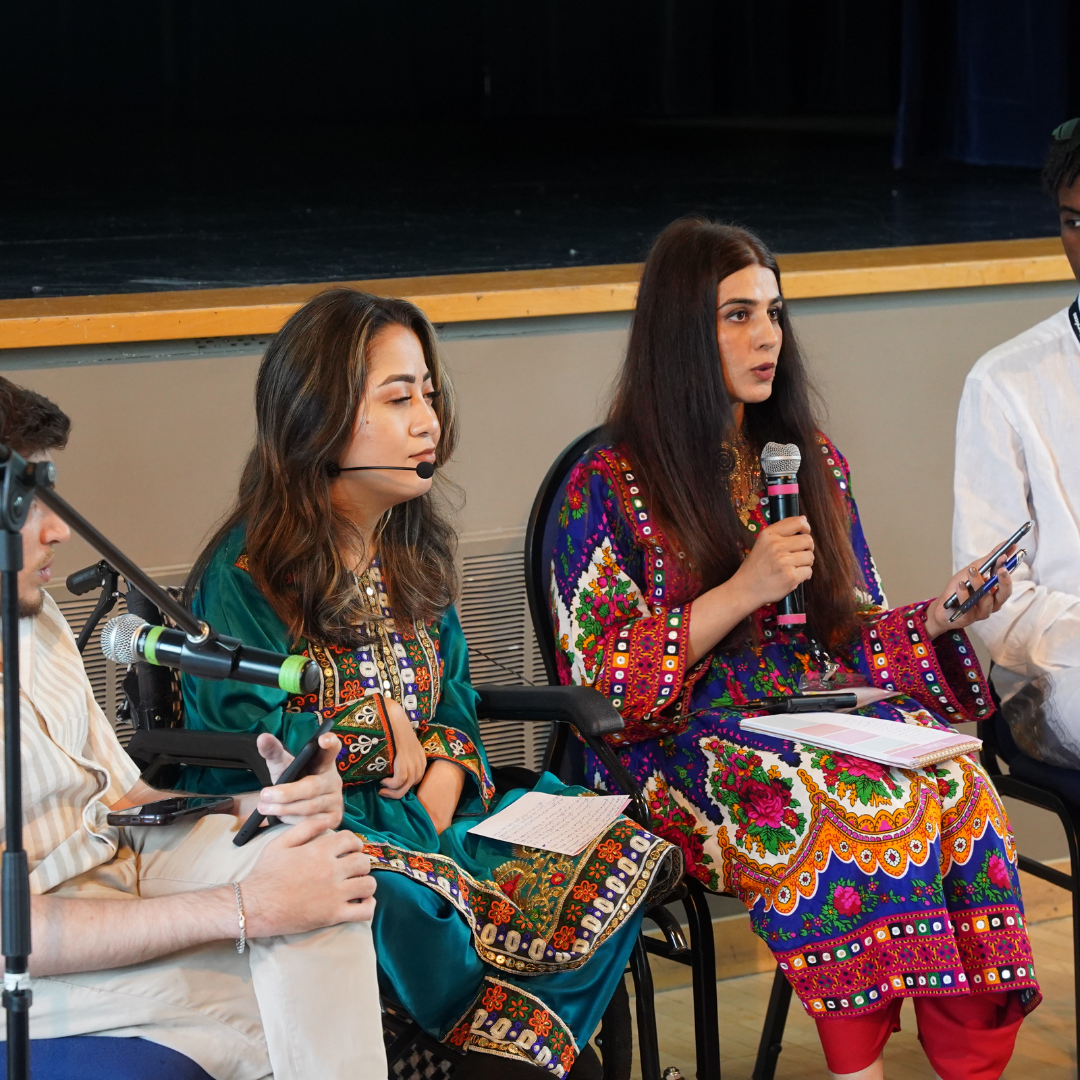
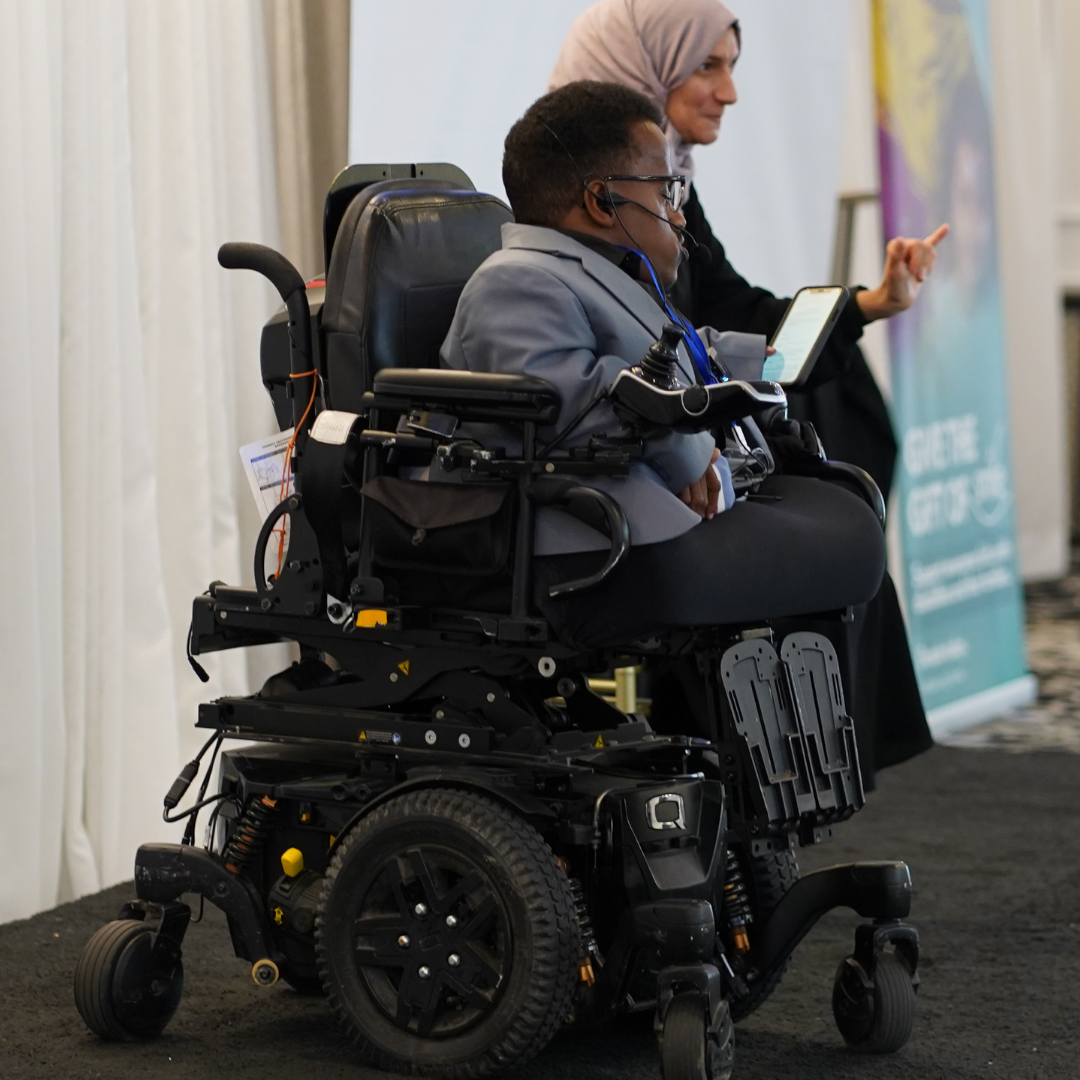
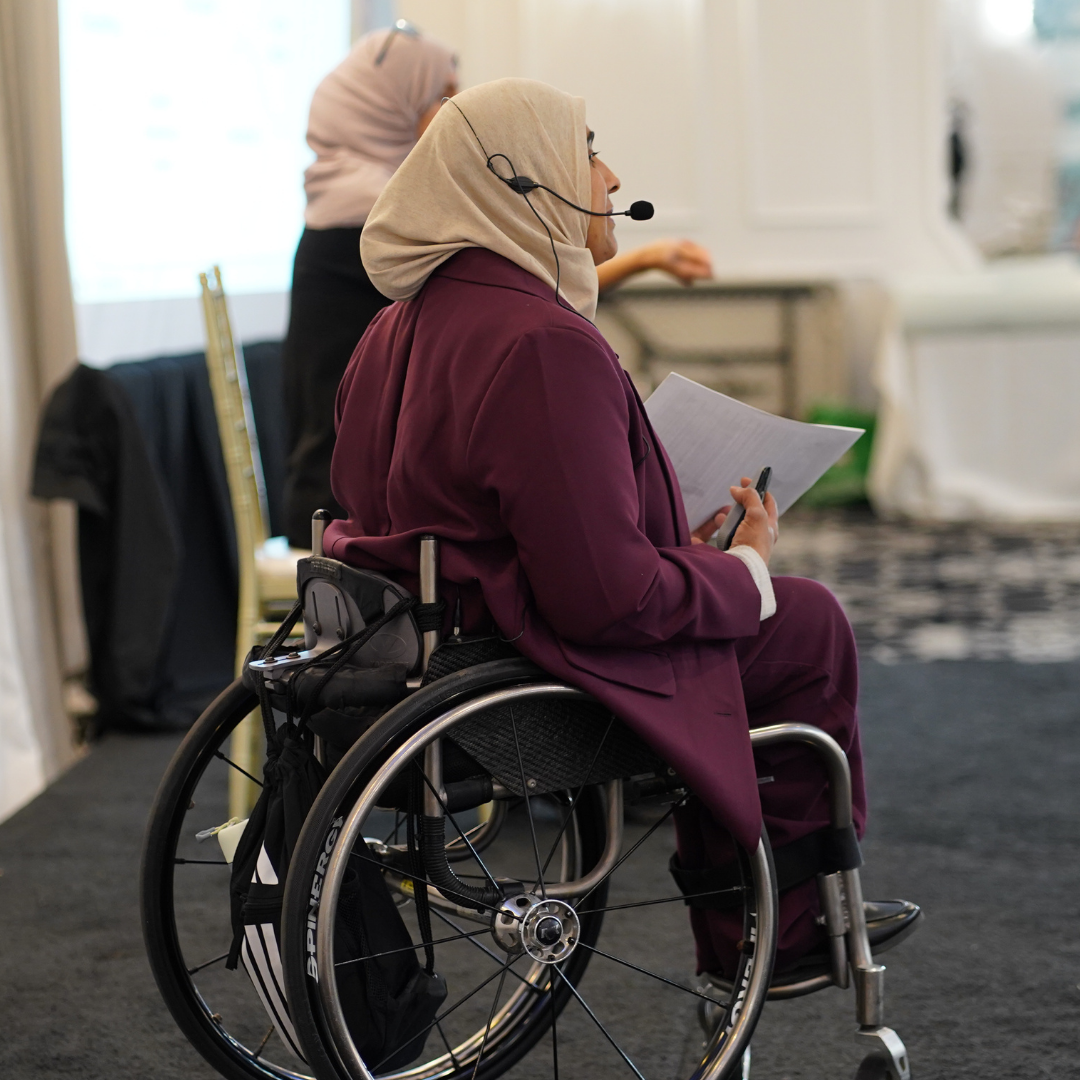
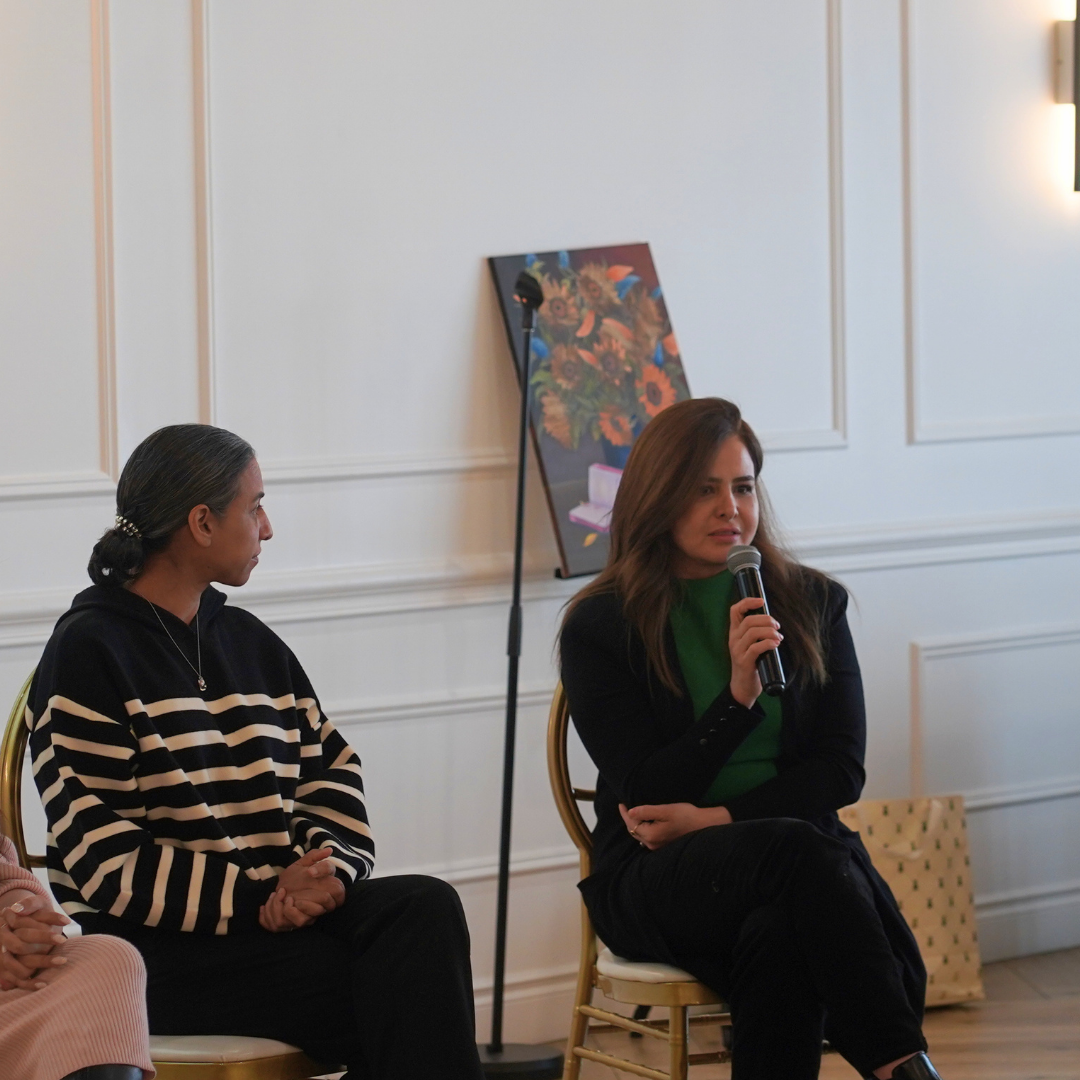
As part of Black History Month 2024, SMILE Canada hosted Critical Conversations: Exploring the Intersection of Anti-Black Racism, Ableism, and Islamophobia on February 13, 2024, in Toronto. The event convened professionals across many sectors and community organizations to engage in meaningful dialogue about the unique barriers experienced by Black Muslims with disabilities. Through a panel discussion featuring Rwan Muzamil who has lived experience navigating healthcare and education systems, Asli Sulieman a social worker reflecting on both professional and personal experiences within the sector, and Charline Grant from Parents of Black Children advocating for equity in education, participants gained insight into the impacts of anti-Black racism, Islamophobia, and ableism. Following the panel, attendees participated in facilitated group discussions to reflect on key learnings, identify opportunities for change within their respective fields, and develop actionable strategies to embed anti-racist and inclusive practices into their work. The event served as an important platform for centering lived experiences, fostering cross-sector dialogue, and encouraging collective action toward more equitable and accessible systems.
Celebrating World Refugee Day
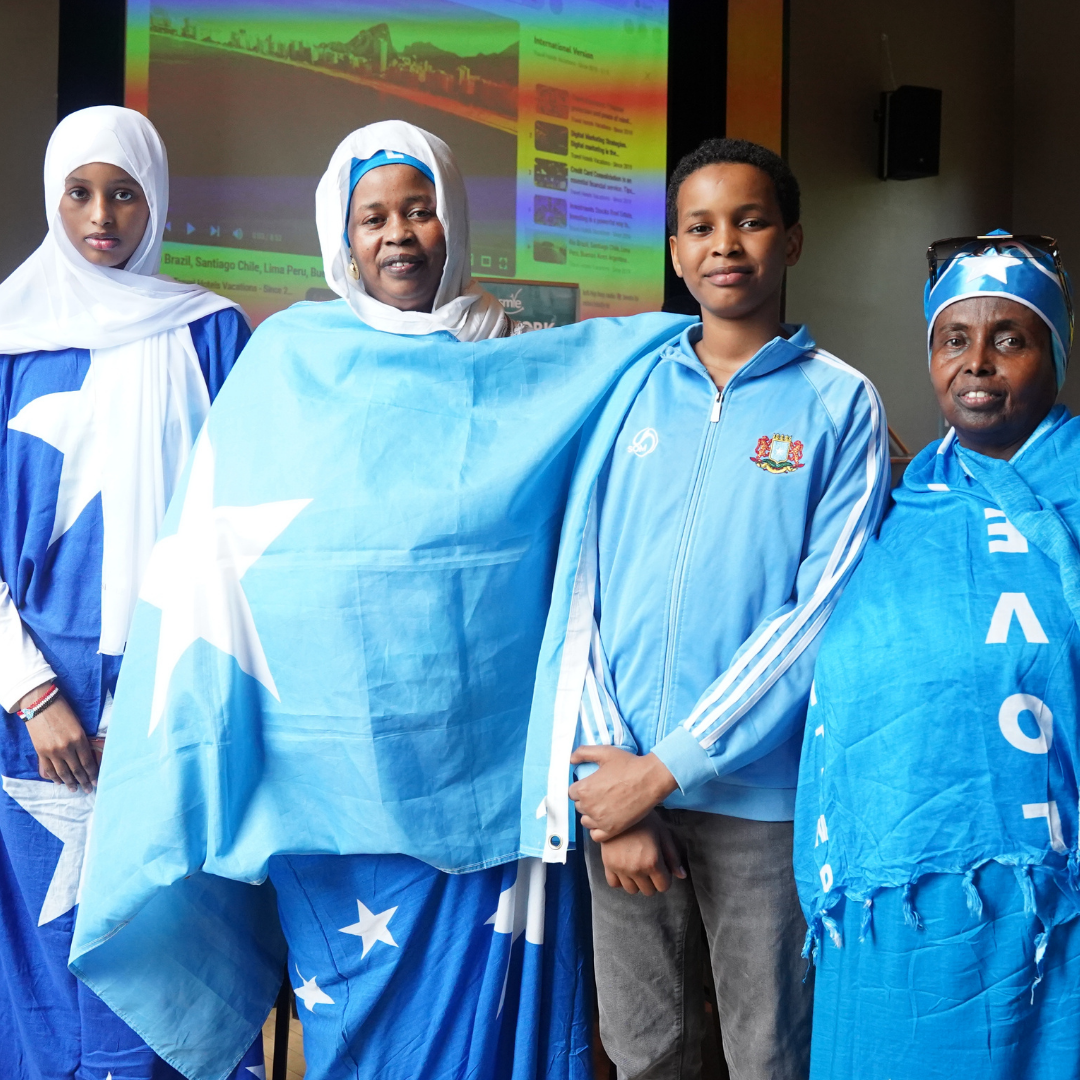
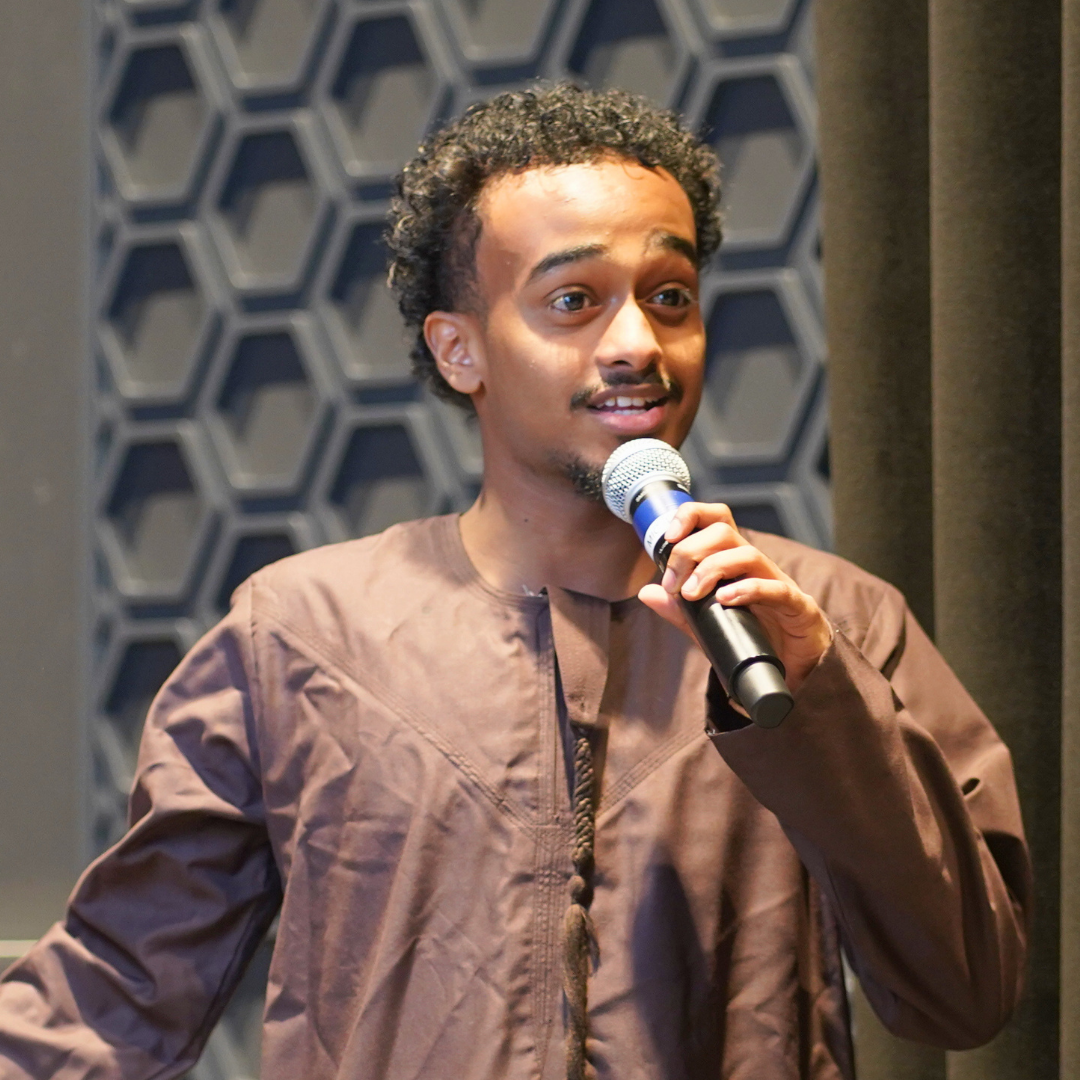
On June 25, 2025, SMILE Canada commemorated World Refugee Day by hosting a community gathering in Etobicoke that centered the experiences of refugees with disabilities while celebrating the diversity and resilience of newcomer communities. The event featured a panel discussion with Mustafa Alshardoub and Robaba Mohammadi, who shared personal reflections on navigating displacement, disability, and the intersecting impacts of xenophobia, ableism, and social isolation as racialized refugees. Their stories emphasized the importance of community care, advocacy, and accessible support systems in fostering belonging and wellbeing. Following the panel, participants engaged in facilitated small-group discussions to reflect on their own experiences and identify persistent barriers, biases, and systemic challenges facing refugees with disabilities. Alongside these meaningful conversations, the event created space for cultural celebration through a diverse lunch featuring cuisines representative of the communities served at SMILE, including offerings from refugee-owned businesses, an exhibition of artwork and entrepreneurial initiatives led by refugee artists, and a vibrant Somali Buraanbur dance and drumming performance. Many attendees wore traditional attire, transforming the gathering into a joyful celebration of culture, identity, and collective belonging.
Building Inclusive Spaces: Impacts of Islamophobia on Muslims with Disabilities
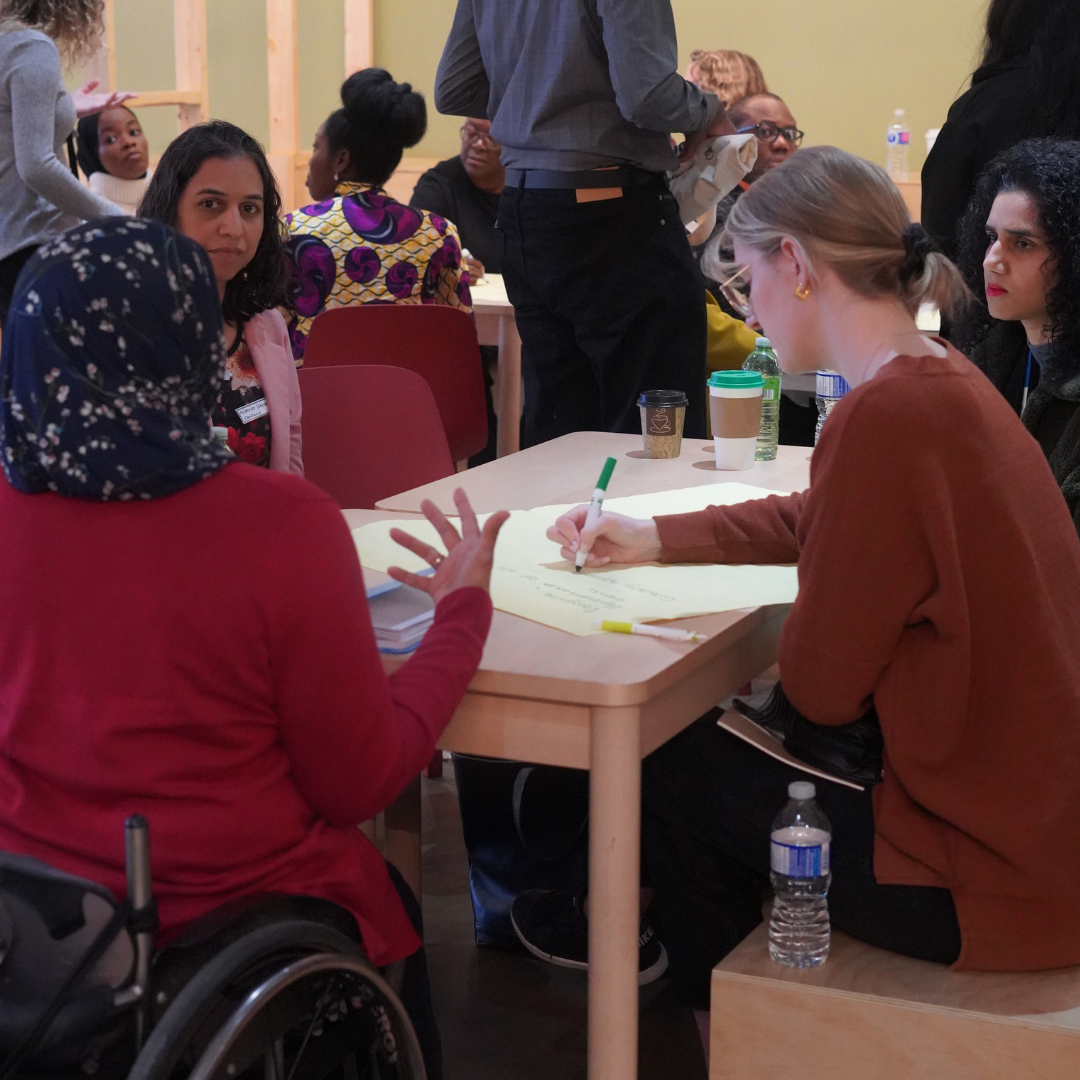
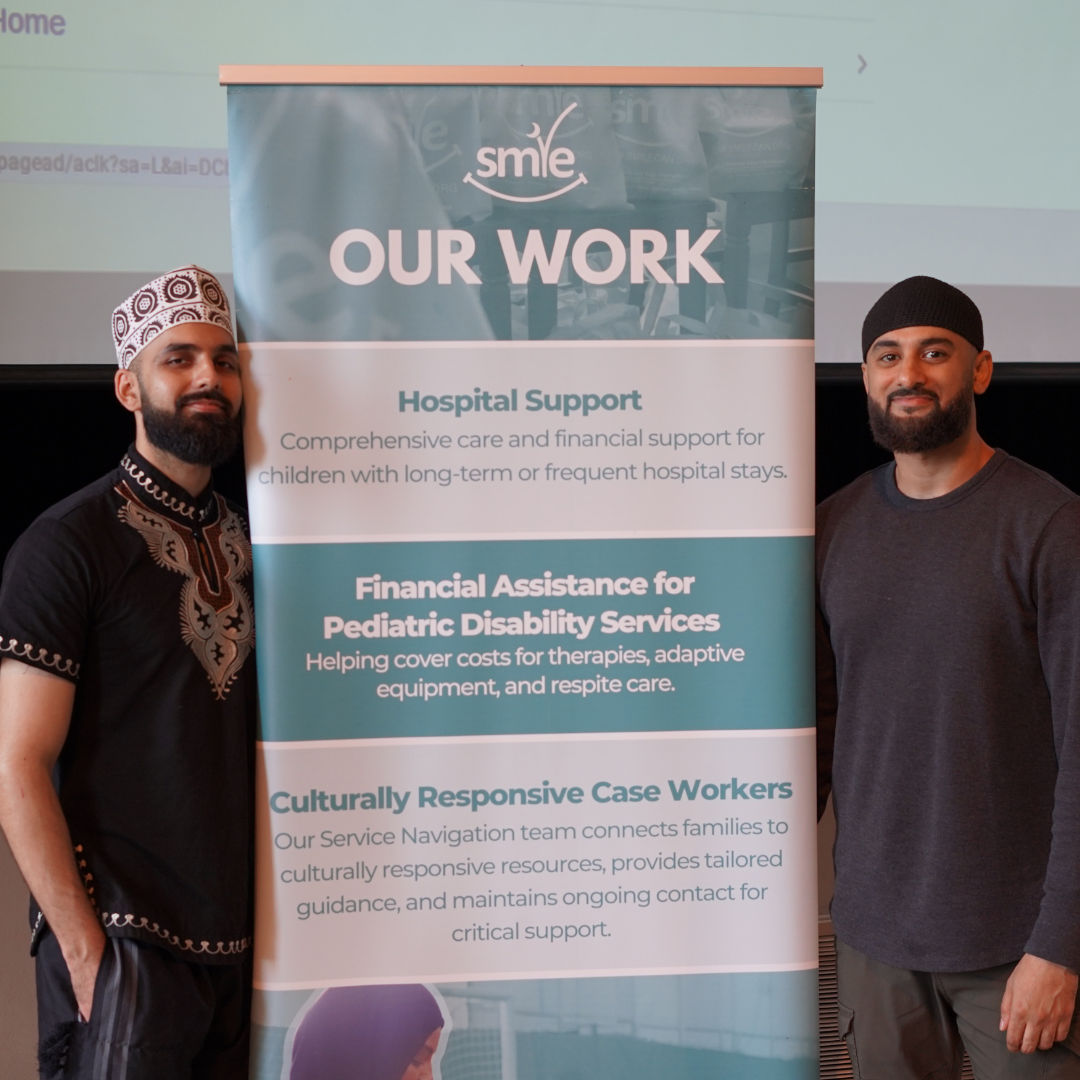
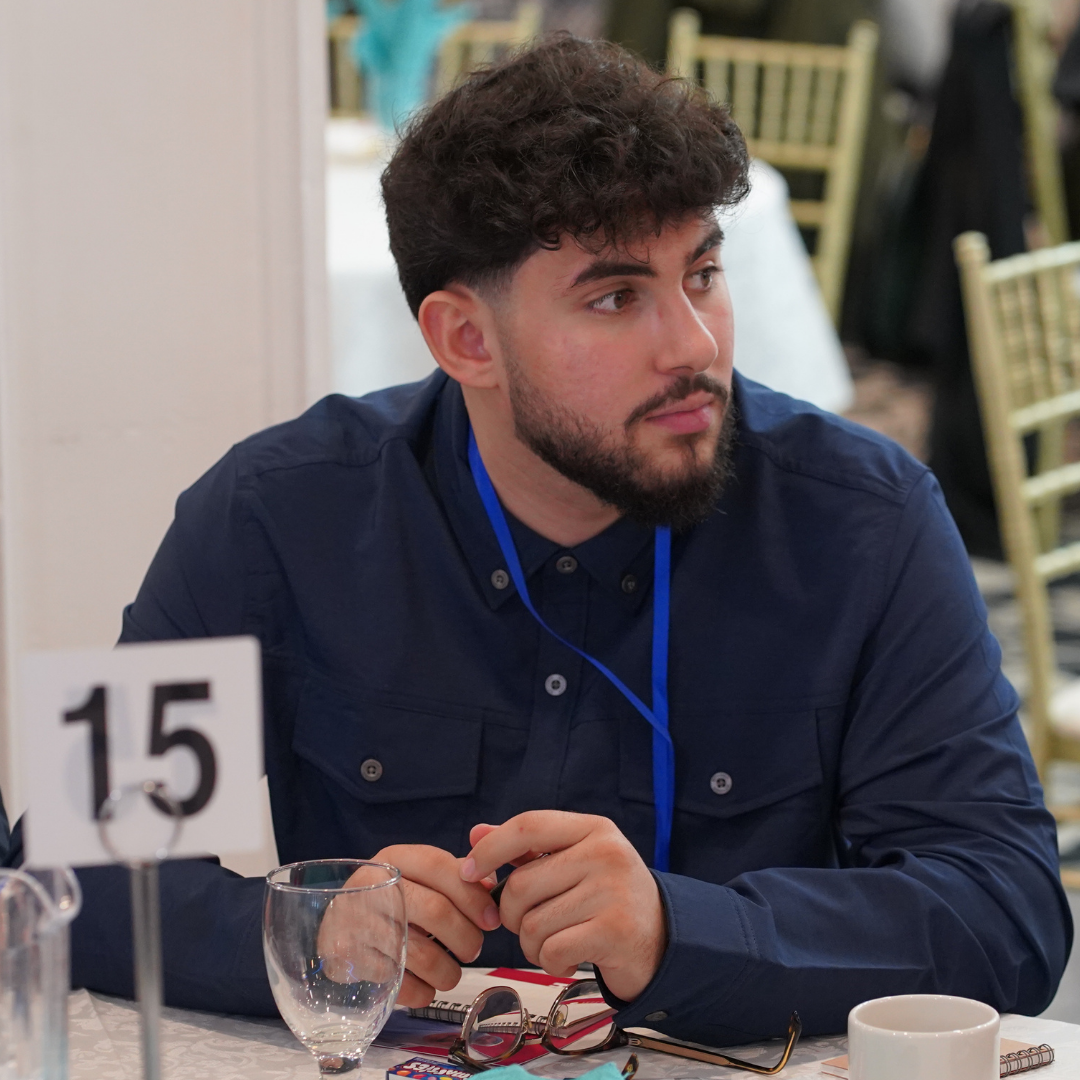
In recognition of Islamic Heritage Month, SMILE Canada hosted a forum on October 22, 2025 in Mississauga, focused on addressing the intersecting impacts of Islamophobia and ableism and advancing more inclusive support for Muslims with disabilities. The event brought together professionals and leaders from healthcare, education, social services, settlement services, policy, and Islamic community spaces to explore collaborative approaches to equity, accessibility, and systematic change. Keynote presentations featured Dr. Sukaina Dada, who discussed the experiences of newcomer Muslim families and the importance of culturally- responsive disability supports, Mubina Jaffer, who shared practical strategies for fostering accessibility and inclusion within workplaces and professional settings, and Ali Abdiwahab Adan, who reflected on his lived experiences as a Muslim with a disability and highlighted opportunities to strengthen accessibility within mosques, Islamic schools, and community organizations. Building on these discussions, participants engaged in sector-specific action planning sessions using facilitated templates to identify challenges, exchange commitments, and develop actionable recommendations for addressing Islamophobia and ableism within their respective fields. By centering lived experience, encouraging cross-sector dialogue, and translating learning into concrete commitments, the event intended to support the development of more accessible, collaborative, and culturally-responsive systems that promote belonging and meaningful participation for Muslims with disabilities and their families.
Pathways to Inclusion: Honouring International Day of Persons with Disabilities
On December 3, 2025 in recognition of the International Day of Persons with Disabilities (IDPD), SMILE hosted a community forum in London, Ontario. To raise awareness, acknowledge lived experiences, and strengthen culturally-responsive support for newcomer and racialized children and youth with disabilities and their families. The event opened with a keynote presentation by Arabic-speaking Service Navigator Asmaa Nasser, who introduced participants to SMILE Canada's intersectional approach to service delivery and highlighted the organization's commitment to supporting underserved newcomer and refugee families, including those from Palestine, Sudan, Afghanistan, and Somalia. Drawing from her own experiences as a newcomer from Gaza, she emphasized the critical role of culturally and linguistically responsive services in helping families navigate complex systems. The forum also featured a panel discussion moderated by Director of Programs, Sabeeka Jaffer, with contributions from Farsi-speaking Service Navigator Farah Elyaskhil, occupational therapist and researcher Michelle Phoenix from CanChild, and SMILE parent Rania Al Miari. Through both professional expertise and lived experience, panelists examined systemic barriers, shared promising practices, and discussed collaborative strategies for improving access, inclusion, and culturally-safe care for racialized children and youth with disabilities. By fostering dialogue among service providers, families, and community members, the event equipped participants with practical knowledge and actionable approaches to better support individuals and families navigating the intersecting realities of disability, migration, and displacement.
Black History Month Gala
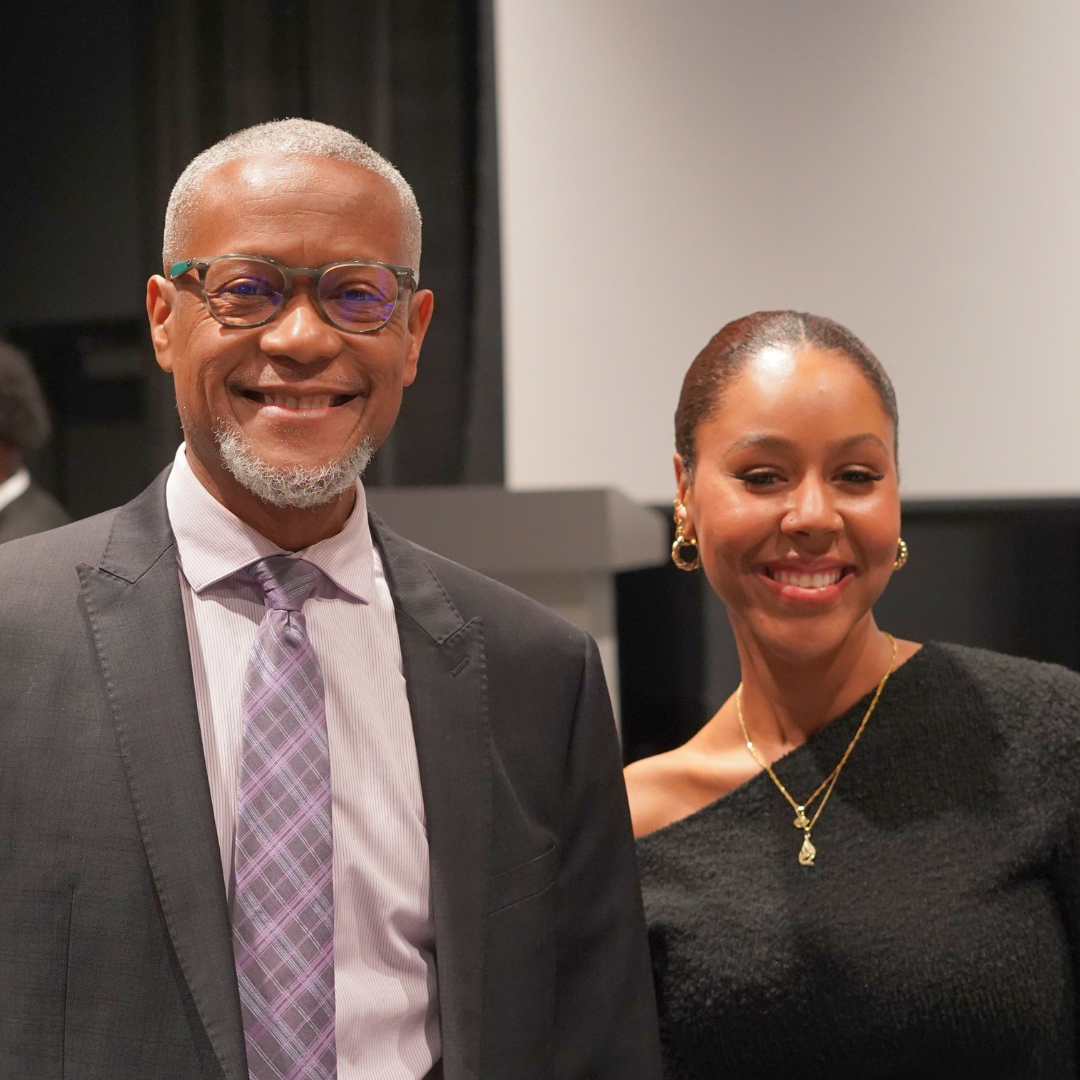
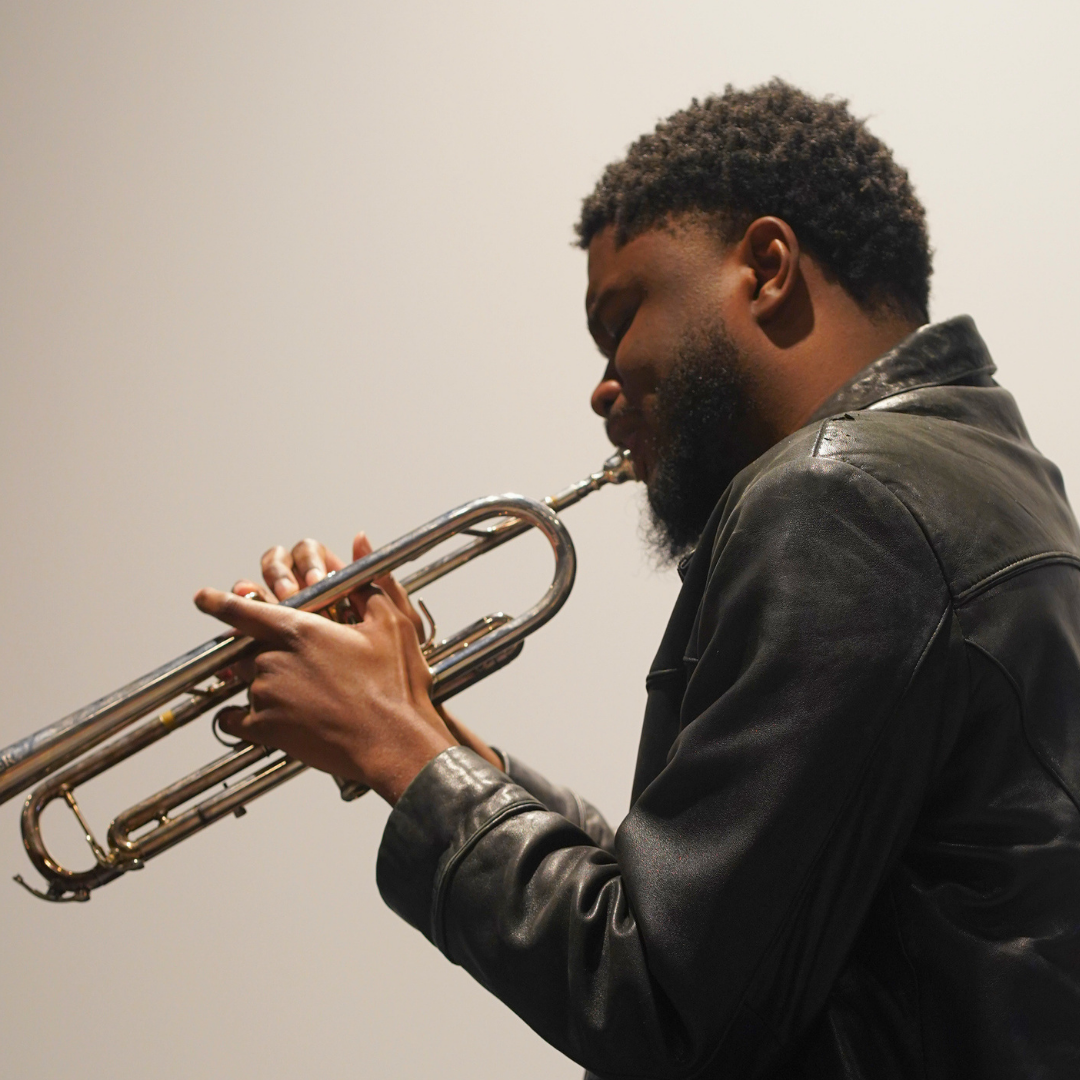
On February 11, 2026, SMILE Canada concluded its CRRF project by hosting a Black History Month Gala in Toronto to celebrate the achievements, talents, and contributions of Black persons with disabilities while bringing together community members, professionals, leaders, families and friends in a shared space of recognition and belonging. The evening opened with a keynote by Imam Yasin Dwyer, who reflected on the importance of addressing anti-Black racism through an intersectional lens and emphasized that conversations about equity and inclusion must intentionally include Black individuals living with disabilities. He called on communities to strengthen relationships, foster greater accessibility, and cultivate culturally-responsive environments that support the full participation and wellbeing of Black persons with disabilities. Guests then enjoyed a dinner catered by a Black-owned Jamaican business before experiencing a series of performances that highlighted the creativity and accomplishments of Black artists with disabilities, including poetry and reflections by author Amran Abdi, a dance performance by Madison Cranston, and a musical presentation by trumpeter Yansi and his band. The celebration also featured a marketplace showcasing eight Black-owned small businesses, several of which were led by entrepreneurs with disabilities, providing attendees with an opportunity to connect with business owners, learn about their journeys, and support local entrepreneurs. More than a celebration, the gala served as a meaningful conclusion of the CRRF project, reinforcing the message that Black persons with disabilities are leaders, artists, entrepreneurs, and changemakers whose contributions enrich communities and deserve to be recognized, valued, and supported.
.avif)