.avif)
The Equity in LIFT (EIL) Initiative, developed and funded by the Ontario Government’s Ministry of Children, Community and Social Services (MCCSS), aims to improve equitable access to developmental and rehabilitation services for racialized and newcomer children with disabilities through a health equity and health justice framework.
Through a three-year partnership between SMILE Canada and Ron Joyce Children’s Health Centre (Hamilton Health Sciences), the organizations will work together to co-design and implement culturally responsive programs and resources that address the unique needs of newcomer and racialized families, including accessible and trauma-informed supports. The partnership will work to strengthen organizational capacity to ensure paediatric rehabilitation and developmental services are more inclusive, equitable, and responsive to the diverse communities served across Ontario.
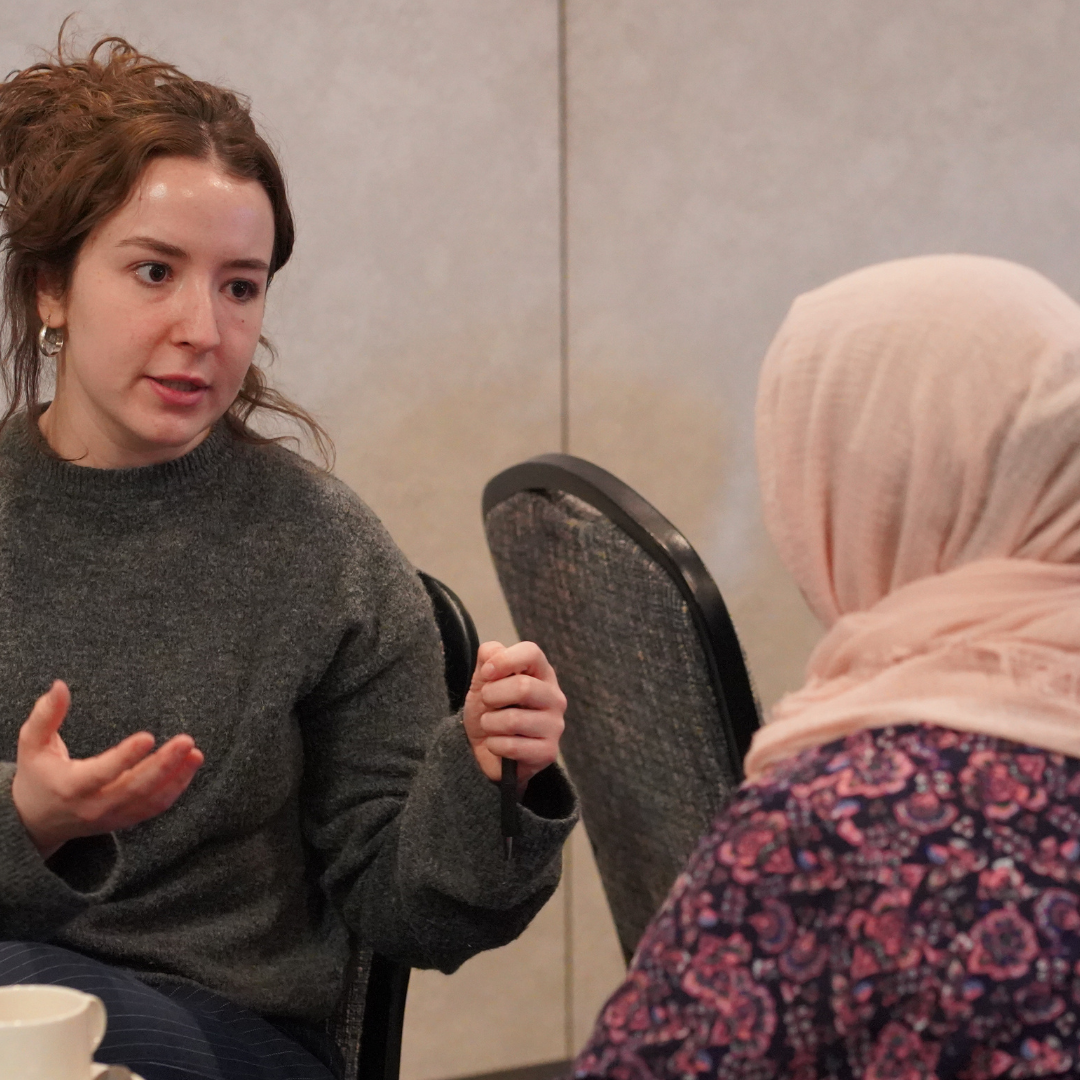
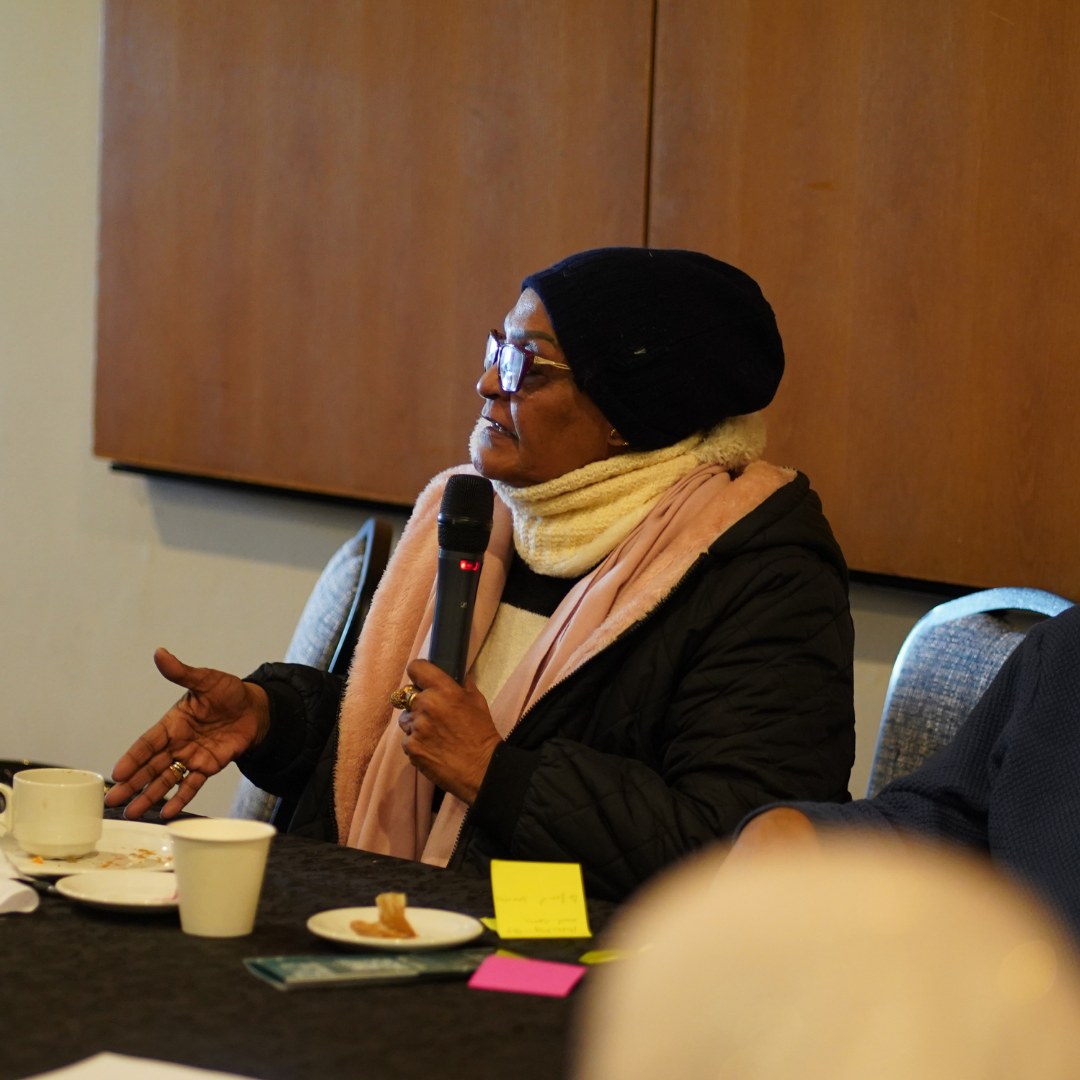
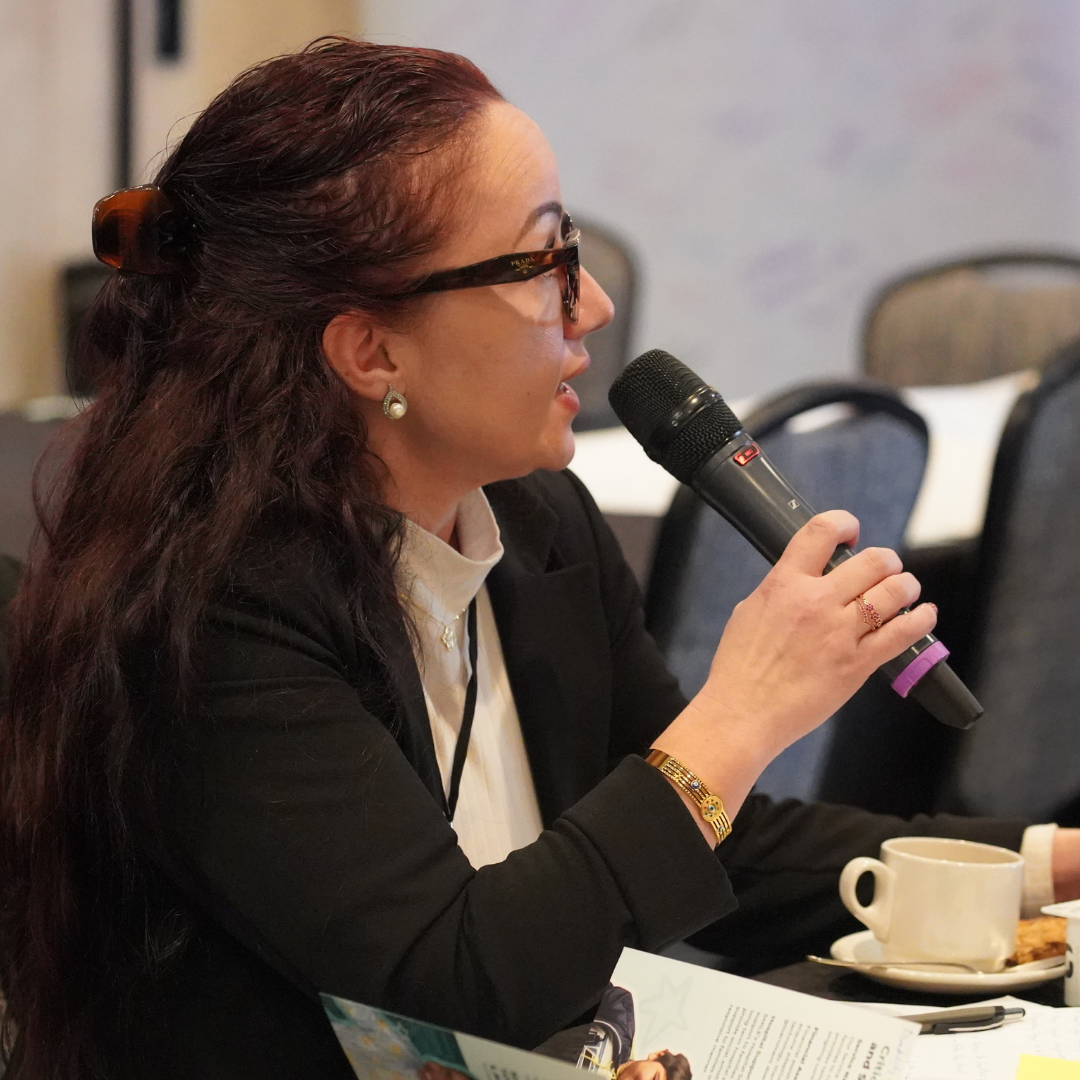
On February 5, 2026, SMILE Canada - Support Services, in partnership with Mishka Social Services, hosted Community Conversations in Hamilton. This event brought together newcomer families raising children with disabilities, healthcare and disability service providers, and community organizations to discuss experiences navigating healthcare and support systems.
The goal was to create a welcoming space where families could share their lived experiences, identify challenges and service gaps, and contribute to solutions that promote more equitable, culturally safe, and coordinated care for children with disabilities.
Through facilitated discussions and a collaborative mapping activity, participants explored barriers to accessing healthcare, therapies, funding, and disability-related services. Families shared valuable insights about the challenges they face, including language barriers, limited access to information, complex referral processes, long wait times, financial pressures, and difficulties navigating healthcare and support systems.
Several key priorities emerged from the discussions:
• Improving coordination and communication between healthcare providers, schools, therapists, and community services.
• Expanding culturally safe and trauma-informed approaches across healthcare and disability services.
• Providing clear, accessible information about available supports, funding opportunities, and community resources.
• Increasing access to interpretation and culturally appropriate communication supports.
• Strengthening partnerships between organizations to create more seamless referral pathways and reduce service gaps.
• Ensuring families have meaningful opportunities to provide ongoing feedback and participate in decision-making.
Community Conversations highlighted the unique experiences of newcomer families raising children with disabilities and reinforced the need for collaborative, family-centred approaches that recognize the intersection of disability, culture, language, and migration. The insights shared will help inform future service improvements, provider training, and community partnerships aimed at creating more inclusive and responsive systems of care in Hamilton.

.png)